Instant Connection for Pixel Streaming
— New Feature Automated Setup

Top AI Plugins for SketchUp: Best Tools for Rendering, Assets, and Workflow
Top AI Plugins for SketchUp: Best Tools for Rendering, Assets, and Workflow
Architecture
Top AI Plugins for SketchUp: Best Tools for Rendering, Assets, and Workflow
Top AI Plugins for SketchUp: Best Tools for Rendering, Assets, and Workflow
Table of Contents
Most SketchUp users don’t need another AI tool. They need a clearer sense of which ones are actually useful.
AI options around SketchUp have grown fast. Some tools are built for concept exploration. Some focus on rendering and visualization. Others try to generate objects or fill scenes with quick assets. That sounds helpful, but it also makes the whole category messy. A lot of tools overlap, and not all of them solve problems that matter in day-to-day work.
That’s where a little skepticism helps.
A good-looking AI demo does not always mean a better workflow. A plugin might create a strong concept image in seconds and still be a poor fit for presentation work. It might generate an object quickly, but leave you with geometry that needs cleanup. It might feel impressive at first, then quietly slow the project down later.
That is why SketchUp users should not think about AI as one big category. These tools do different jobs, and they should be judged that way.
This guide takes a practical approach. Not which tools look the most exciting, but which ones are actually worth using, where they help, and where they still fall short. Because once the novelty wears off, workflow is what matters.
What actually makes an AI tool useful in SketchUp?
The easiest way to overrate an AI tool is to judge it by the first image it gives you. One strong result can make almost anything look promising. The real question is whether it stays useful after that.
For SketchUp users, the best AI tools usually do one thing well. They help you explore ideas faster, create visuals more quickly, or generate rough assets without dragging the rest of the workflow down with them. That matters more than novelty.
A useful tool should fit the way you already work. It should work with your model, your scenes, and your decision-making process. Not force you into extra exporting, endless prompt retries, or cleanup that cancels out the time you thought you saved.
It also helps to separate the jobs these tools are trying to do. Concept tools are not the same as rendering tools. Rendering tools are not the same as object-generation tools. A plugin that is great for mood exploration may be completely wrong for client presentations. A tool that can generate a rough chair might still be nowhere near clean enough for serious project use.

Control matters too. Some AI tools let you guide the result in a useful way. Others feel more like gambling. Click, wait, hope for the best. That can be fun for a minute. It is not a workflow.
And then there is the part people skip over: trust. If a tool gives you concept images, treat them like concept images. If it generates 3D assets, check the scale, proportions, and geometry before building around them. AI can absolutely save time in SketchUp, but only when expectations stay realistic.
That is really the standard for this guide. Not which tools feel the most impressive in a demo, but which ones help SketchUp users move faster without making the work messier.
This also depends on the kind of work you do in SketchUp. Users coming from more drafting-heavy workflows, especially those comparing AutoCAD vs SketchUp, may judge AI tools very differently than users focused on fast concept modeling or visualization.
The AI tools SketchUp users should actually pay attention to
This is where things get more practical. Not every AI tool deserves a place in a real SketchUp workflow, and not every SketchUp user needs the same kind of help.
Some people want faster concept images. Some want better presentation visuals without a full rendering setup. Others just want to generate a few rough assets and keep moving. Those are very different needs, so it makes more sense to group these tools by use case instead of pretending they all compete on the same field.
If you have already explored other essential SketchUp plugins, AI tools are easier to judge because you can see where they actually improve the workflow and where they just add noise.
Built-in SketchUp AI tools are the first place to look
For a lot of users, the best starting point is still SketchUp itself.
AI Assistant is not the most exciting tool in the category, but it may be one of the most practical. It helps when you get stuck, forget a workflow, or want faster in-app guidance without breaking concentration. That is not flashy. It is useful.
Generate Object is more ambitious. It gives users a way to create rough 3D objects from prompts or images, which can be a real time-saver in early scene building. I would not treat it like a replacement for proper modeling, though. It makes more sense as a shortcut for placeholders, supporting assets, or quick iterations when perfection is not the goal yet.

AI Render is the built-in feature that will probably get the most attention, and that is fair. It gives rough SketchUp scenes a faster way to become more readable, more atmospheric, and more presentation-friendly. For concept reviews, design direction, and client conversations, that can be genuinely helpful. The catch is simple: a more polished image does not always mean a more accurate one.
For concept visuals and presentation images, control matters more than novelty
If built-in tools feel too limited, this is where third-party options start to matter.
Veras stands out because it tends to feel more anchored to the model than a lot of AI visualization tools. That is important. Once AI starts inventing too much, the image may still look attractive, but it stops being useful as a design communication tool. Veras makes the most sense for architects, interior designers, and teams that want speed without losing all control.
ArkoAI sits in a similar zone, though it feels more geared toward fast visual exploration. That can be a good thing. In early design phases, speed often matters more than perfect control. If you want to test mood, material direction, or overall visual tone quickly, this kind of tool can earn its place.

SUAPP AIR and AIC are worth mentioning here too, but I would frame them more as creative boosters than precision tools. They are useful when you want inspiration, alternatives, or a quick visual push. Less useful when accuracy is the main priority.
The same goes for users deciding between different modeling ecosystems. If you have been thinking about Rhino 3D vs SketchUp, your expectations around AI, precision, and rendering flexibility may already be shaped by that comparison.
AI-generated 3D assets can save time, but only if you stay realistic
This is probably the most tempting category because it promises the biggest shortcut.
Tools like identic AI 3D are built around a very appealing idea: generate an object quickly, drop it into the model, and move on. Sometimes that works well enough, especially for early-stage scenes, loose concepts, or filler assets that do not need close inspection.
But this is also where expectations need to stay under control. AI-generated assets are often rougher than they first appear. Geometry may need cleanup. Scale may be off. Details may fall apart the moment the object becomes important in the scene.
That does not make these tools useless. It just changes where they belong. They are best treated as fast starting points, not finished assets.
That is really the pattern across the whole category. The strongest AI tools for SketchUp are usually the ones that help with one specific part of the process and do not pretend to solve everything. That is a less glamorous promise. It is also the one that tends to hold up in real work.
If your main goal is presentation quality rather than quick concept imagery, it is also worth understanding a stronger SketchUp to Twinmotion workflow, especially when AI-generated visuals start to feel too loose for client-facing work.
Where AI plugins genuinely help, and where they still fall short
Used well, AI can remove a surprising amount of friction from SketchUp work.
It is genuinely helpful in early concept development, when speed matters more than precision and you want to test mood, materials, or general direction without spending hours setting up every detail. It is also useful for faster visual communication. A rough model becomes much easier to discuss when it turns into an image a client can react to.
Quick asset generation can help too, especially when the goal is to fill out a scene or move through an early design stage faster. In those moments, AI does what good shortcuts are supposed to do. It helps you keep momentum.
Still, the weak spots are hard to ignore.
AI renders can drift away from the actual model. Generated assets can look usable at first and then fall apart under closer inspection. Some tools create polished-looking output that gives a false sense of progress, when all they really did was make an unfinished idea look more finished than it is.
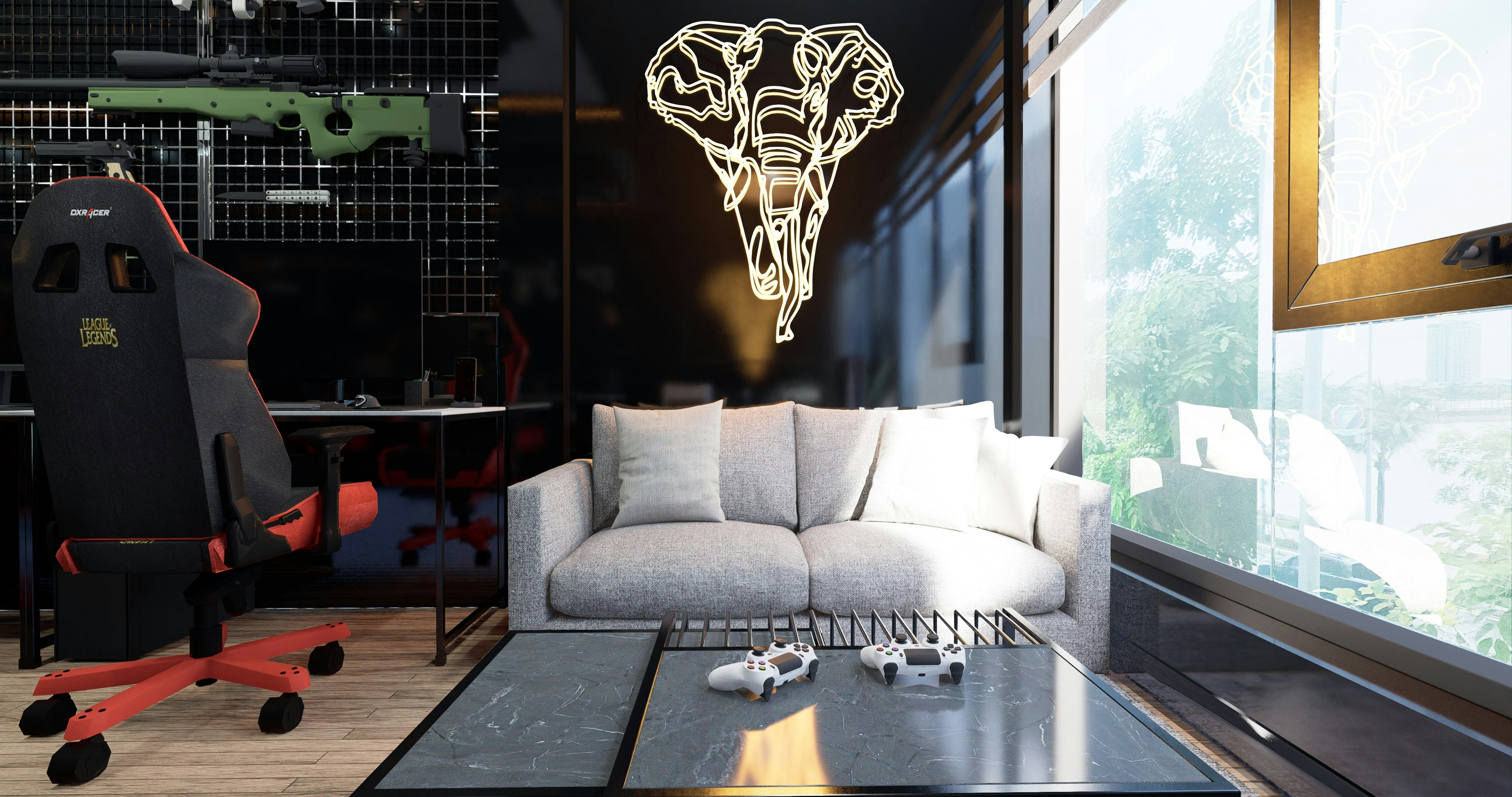
That is the part worth being careful about. Speed is useful, but only when it leads to better decisions. If it creates extra cleanup, confusion, or overconfidence, it is not really saving time.
So yes, AI plugins can absolutely improve a SketchUp workflow. But they work best when they are treated like assistants, not replacements. They can help you move faster, explore more options, and communicate ideas earlier. They still need judgment. Probably more judgment than the marketing suggests.
Once AI speeds up the creative side, Vagon Cloud Computer starts making a lot more sense
AI can make the early creative phase much faster. You test more ideas, generate more visuals, try more variations, and move through design options with less hesitation. That part feels great.
The problem shows up right after.
Once that faster workflow starts producing bigger scenes, more render tests, more asset variations, and more presentation images, local hardware can become the slowest part of the process. That is when the real bottleneck shifts from ideas to performance.
This is where Vagon Cloud Computer becomes useful in a very practical wa
Instead of letting your laptop or workstation set the limit, Vagon gives SketchUp users access to stronger cloud hardware when projects start getting heavier. That makes a difference when AI tools help you create more, but your machine struggles to keep up with the pace. The benefit is not just raw power. It is continuity. You can keep the workflow moving without turning every slowdown into a hardware problem.
That matters even more for users who are not just experimenting with AI, but actually trying to turn those outputs into a smoother client or end-user experience. Generating concept images, testing alternatives, preparing visuals, and sharing work all become easier when performance is not holding everything back.
So while AI plugins can speed up idea generation inside SketchUp, Vagon Cloud Computer helps support what happens next. And in real projects, that next part is usually where the pressure starts.
If performance is already starting to slow the process down, there are also other ways to render faster in SketchUp before you even get into bigger workflow changes.
So which AI tool should a SketchUp user start with?
Start with the job, not the plugin.
If you are new to AI in SketchUp, the built-in tools are the easiest place to begin. They are already part of the environment, they reduce app-switching, and they give you a clearer sense of where AI is actually helpful before you commit to anything else.
If your main goal is faster concept visuals or presentation images, tools like Veras or ArkoAI make more sense. They are strongest when you already have a direction and want to explore it faster, not when you need perfect precision.
If your interest is object generation, tools like Generate Object or identic AI 3D can be useful, but with realistic expectations. They are best treated as shortcuts for rough assets, placeholders, and early-stage scene building. Not finished production assets you never have to touch again.
That is really the best way to think about this whole category. AI works well in SketchUp when it has a clear job to do.
Used that way, it can absolutely save time. It can help you test ideas faster, present work more clearly, and move through repetitive parts of the process with less friction. But it is still not a replacement for design judgment, clean modeling, or knowing what the project actually needs.
And honestly, that is fine. The goal was never to let AI do everything. The goal is to make the useful parts of the workflow faster.
FAQs
1. What is the best AI plugin for SketchUp?
That depends on what you want help with. If you want a simple starting point, SketchUp’s built-in AI tools are the easiest place to begin. If your priority is faster concept visuals, tools like Veras or ArkoAI make more sense. If you want quick object generation, Generate Object or identic AI 3D may be more relevant. The best option is usually the one that fits your workflow, not the one with the most dramatic demo.
2. Can AI generate 3D models in SketchUp?
Yes, but with limits. Some tools can generate rough 3D objects from prompts or images, which can be useful for placeholders, scene building, or early-stage concepts. Still, most AI-generated assets need review before they are ready for serious project use. Scale, proportions, and geometry quality still matter.
3. Are AI render tools in SketchUp good enough for client presentations?
They can be, especially in early stages. AI render tools are useful when you want clients to react to mood, materials, or design direction without building a full rendering workflow. But they should be used carefully. A polished image can still drift away from the actual model, so it helps to treat them as communication tools, not perfect representations.
4. Are SketchUp’s built-in AI tools enough?
For many users, yes, at least at the beginning. They are the most accessible way to test how AI fits into your workflow without adding more software right away. The real question is whether you need more control, more rendering flexibility, or more advanced asset generation than the built-in tools can offer.
5. Do AI plugins actually save time in SketchUp?
They can, but not automatically. AI saves time when it reduces repetitive work, speeds up concept exploration, or helps you communicate ideas faster. It does not save time when it creates messy assets, inaccurate visuals, or extra cleanup. That is why choosing the right tool matters more than using the most advanced one.
6. What are the limits of AI in SketchUp workflows?
The biggest limits are accuracy, control, and trust. AI can help with ideation, visuals, and rough asset generation, but it still struggles when precision matters. It can also create output that looks finished before it is actually reliable. That is useful in some stages of a project and risky in others.
7. Why would a SketchUp user need Vagon Cloud Computer after using AI tools?
Because AI often speeds up the creative side faster than local hardware can keep up. Once users start creating more visuals, testing more variations, and working with heavier scenes, performance becomes the next issue. Vagon Cloud Computer helps support that heavier workflow with stronger cloud hardware, so the process stays smooth even when the project gets more demanding.
Most SketchUp users don’t need another AI tool. They need a clearer sense of which ones are actually useful.
AI options around SketchUp have grown fast. Some tools are built for concept exploration. Some focus on rendering and visualization. Others try to generate objects or fill scenes with quick assets. That sounds helpful, but it also makes the whole category messy. A lot of tools overlap, and not all of them solve problems that matter in day-to-day work.
That’s where a little skepticism helps.
A good-looking AI demo does not always mean a better workflow. A plugin might create a strong concept image in seconds and still be a poor fit for presentation work. It might generate an object quickly, but leave you with geometry that needs cleanup. It might feel impressive at first, then quietly slow the project down later.
That is why SketchUp users should not think about AI as one big category. These tools do different jobs, and they should be judged that way.
This guide takes a practical approach. Not which tools look the most exciting, but which ones are actually worth using, where they help, and where they still fall short. Because once the novelty wears off, workflow is what matters.
What actually makes an AI tool useful in SketchUp?
The easiest way to overrate an AI tool is to judge it by the first image it gives you. One strong result can make almost anything look promising. The real question is whether it stays useful after that.
For SketchUp users, the best AI tools usually do one thing well. They help you explore ideas faster, create visuals more quickly, or generate rough assets without dragging the rest of the workflow down with them. That matters more than novelty.
A useful tool should fit the way you already work. It should work with your model, your scenes, and your decision-making process. Not force you into extra exporting, endless prompt retries, or cleanup that cancels out the time you thought you saved.
It also helps to separate the jobs these tools are trying to do. Concept tools are not the same as rendering tools. Rendering tools are not the same as object-generation tools. A plugin that is great for mood exploration may be completely wrong for client presentations. A tool that can generate a rough chair might still be nowhere near clean enough for serious project use.
Control matters too. Some AI tools let you guide the result in a useful way. Others feel more like gambling. Click, wait, hope for the best. That can be fun for a minute. It is not a workflow.
And then there is the part people skip over: trust. If a tool gives you concept images, treat them like concept images. If it generates 3D assets, check the scale, proportions, and geometry before building around them. AI can absolutely save time in SketchUp, but only when expectations stay realistic.
That is really the standard for this guide. Not which tools feel the most impressive in a demo, but which ones help SketchUp users move faster without making the work messier.
This also depends on the kind of work you do in SketchUp. Users coming from more drafting-heavy workflows, especially those comparing AutoCAD vs SketchUp, may judge AI tools very differently than users focused on fast concept modeling or visualization.
The AI tools SketchUp users should actually pay attention to
This is where things get more practical. Not every AI tool deserves a place in a real SketchUp workflow, and not every SketchUp user needs the same kind of help.
Some people want faster concept images. Some want better presentation visuals without a full rendering setup. Others just want to generate a few rough assets and keep moving. Those are very different needs, so it makes more sense to group these tools by use case instead of pretending they all compete on the same field.
If you have already explored other essential SketchUp plugins, AI tools are easier to judge because you can see where they actually improve the workflow and where they just add noise.
Built-in SketchUp AI tools are the first place to look
For a lot of users, the best starting point is still SketchUp itself.
AI Assistant is not the most exciting tool in the category, but it may be one of the most practical. It helps when you get stuck, forget a workflow, or want faster in-app guidance without breaking concentration. That is not flashy. It is useful.
Generate Object is more ambitious. It gives users a way to create rough 3D objects from prompts or images, which can be a real time-saver in early scene building. I would not treat it like a replacement for proper modeling, though. It makes more sense as a shortcut for placeholders, supporting assets, or quick iterations when perfection is not the goal yet.
AI Render is the built-in feature that will probably get the most attention, and that is fair. It gives rough SketchUp scenes a faster way to become more readable, more atmospheric, and more presentation-friendly. For concept reviews, design direction, and client conversations, that can be genuinely helpful. The catch is simple: a more polished image does not always mean a more accurate one.
For concept visuals and presentation images, control matters more than novelty
If built-in tools feel too limited, this is where third-party options start to matter.
Veras stands out because it tends to feel more anchored to the model than a lot of AI visualization tools. That is important. Once AI starts inventing too much, the image may still look attractive, but it stops being useful as a design communication tool. Veras makes the most sense for architects, interior designers, and teams that want speed without losing all control.
ArkoAI sits in a similar zone, though it feels more geared toward fast visual exploration. That can be a good thing. In early design phases, speed often matters more than perfect control. If you want to test mood, material direction, or overall visual tone quickly, this kind of tool can earn its place.
SUAPP AIR and AIC are worth mentioning here too, but I would frame them more as creative boosters than precision tools. They are useful when you want inspiration, alternatives, or a quick visual push. Less useful when accuracy is the main priority.
The same goes for users deciding between different modeling ecosystems. If you have been thinking about Rhino 3D vs SketchUp, your expectations around AI, precision, and rendering flexibility may already be shaped by that comparison.
AI-generated 3D assets can save time, but only if you stay realistic
This is probably the most tempting category because it promises the biggest shortcut.
Tools like identic AI 3D are built around a very appealing idea: generate an object quickly, drop it into the model, and move on. Sometimes that works well enough, especially for early-stage scenes, loose concepts, or filler assets that do not need close inspection.
But this is also where expectations need to stay under control. AI-generated assets are often rougher than they first appear. Geometry may need cleanup. Scale may be off. Details may fall apart the moment the object becomes important in the scene.
That does not make these tools useless. It just changes where they belong. They are best treated as fast starting points, not finished assets.
That is really the pattern across the whole category. The strongest AI tools for SketchUp are usually the ones that help with one specific part of the process and do not pretend to solve everything. That is a less glamorous promise. It is also the one that tends to hold up in real work.
If your main goal is presentation quality rather than quick concept imagery, it is also worth understanding a stronger SketchUp to Twinmotion workflow, especially when AI-generated visuals start to feel too loose for client-facing work.
Where AI plugins genuinely help, and where they still fall short
Used well, AI can remove a surprising amount of friction from SketchUp work.
It is genuinely helpful in early concept development, when speed matters more than precision and you want to test mood, materials, or general direction without spending hours setting up every detail. It is also useful for faster visual communication. A rough model becomes much easier to discuss when it turns into an image a client can react to.
Quick asset generation can help too, especially when the goal is to fill out a scene or move through an early design stage faster. In those moments, AI does what good shortcuts are supposed to do. It helps you keep momentum.
Still, the weak spots are hard to ignore.
AI renders can drift away from the actual model. Generated assets can look usable at first and then fall apart under closer inspection. Some tools create polished-looking output that gives a false sense of progress, when all they really did was make an unfinished idea look more finished than it is.
That is the part worth being careful about. Speed is useful, but only when it leads to better decisions. If it creates extra cleanup, confusion, or overconfidence, it is not really saving time.
So yes, AI plugins can absolutely improve a SketchUp workflow. But they work best when they are treated like assistants, not replacements. They can help you move faster, explore more options, and communicate ideas earlier. They still need judgment. Probably more judgment than the marketing suggests.
Once AI speeds up the creative side, Vagon Cloud Computer starts making a lot more sense
AI can make the early creative phase much faster. You test more ideas, generate more visuals, try more variations, and move through design options with less hesitation. That part feels great.
The problem shows up right after.
Once that faster workflow starts producing bigger scenes, more render tests, more asset variations, and more presentation images, local hardware can become the slowest part of the process. That is when the real bottleneck shifts from ideas to performance.
This is where Vagon Cloud Computer becomes useful in a very practical wa
Instead of letting your laptop or workstation set the limit, Vagon gives SketchUp users access to stronger cloud hardware when projects start getting heavier. That makes a difference when AI tools help you create more, but your machine struggles to keep up with the pace. The benefit is not just raw power. It is continuity. You can keep the workflow moving without turning every slowdown into a hardware problem.
That matters even more for users who are not just experimenting with AI, but actually trying to turn those outputs into a smoother client or end-user experience. Generating concept images, testing alternatives, preparing visuals, and sharing work all become easier when performance is not holding everything back.
So while AI plugins can speed up idea generation inside SketchUp, Vagon Cloud Computer helps support what happens next. And in real projects, that next part is usually where the pressure starts.
If performance is already starting to slow the process down, there are also other ways to render faster in SketchUp before you even get into bigger workflow changes.
So which AI tool should a SketchUp user start with?
Start with the job, not the plugin.
If you are new to AI in SketchUp, the built-in tools are the easiest place to begin. They are already part of the environment, they reduce app-switching, and they give you a clearer sense of where AI is actually helpful before you commit to anything else.
If your main goal is faster concept visuals or presentation images, tools like Veras or ArkoAI make more sense. They are strongest when you already have a direction and want to explore it faster, not when you need perfect precision.
If your interest is object generation, tools like Generate Object or identic AI 3D can be useful, but with realistic expectations. They are best treated as shortcuts for rough assets, placeholders, and early-stage scene building. Not finished production assets you never have to touch again.
That is really the best way to think about this whole category. AI works well in SketchUp when it has a clear job to do.
Used that way, it can absolutely save time. It can help you test ideas faster, present work more clearly, and move through repetitive parts of the process with less friction. But it is still not a replacement for design judgment, clean modeling, or knowing what the project actually needs.
And honestly, that is fine. The goal was never to let AI do everything. The goal is to make the useful parts of the workflow faster.
FAQs
1. What is the best AI plugin for SketchUp?
That depends on what you want help with. If you want a simple starting point, SketchUp’s built-in AI tools are the easiest place to begin. If your priority is faster concept visuals, tools like Veras or ArkoAI make more sense. If you want quick object generation, Generate Object or identic AI 3D may be more relevant. The best option is usually the one that fits your workflow, not the one with the most dramatic demo.
2. Can AI generate 3D models in SketchUp?
Yes, but with limits. Some tools can generate rough 3D objects from prompts or images, which can be useful for placeholders, scene building, or early-stage concepts. Still, most AI-generated assets need review before they are ready for serious project use. Scale, proportions, and geometry quality still matter.
3. Are AI render tools in SketchUp good enough for client presentations?
They can be, especially in early stages. AI render tools are useful when you want clients to react to mood, materials, or design direction without building a full rendering workflow. But they should be used carefully. A polished image can still drift away from the actual model, so it helps to treat them as communication tools, not perfect representations.
4. Are SketchUp’s built-in AI tools enough?
For many users, yes, at least at the beginning. They are the most accessible way to test how AI fits into your workflow without adding more software right away. The real question is whether you need more control, more rendering flexibility, or more advanced asset generation than the built-in tools can offer.
5. Do AI plugins actually save time in SketchUp?
They can, but not automatically. AI saves time when it reduces repetitive work, speeds up concept exploration, or helps you communicate ideas faster. It does not save time when it creates messy assets, inaccurate visuals, or extra cleanup. That is why choosing the right tool matters more than using the most advanced one.
6. What are the limits of AI in SketchUp workflows?
The biggest limits are accuracy, control, and trust. AI can help with ideation, visuals, and rough asset generation, but it still struggles when precision matters. It can also create output that looks finished before it is actually reliable. That is useful in some stages of a project and risky in others.
7. Why would a SketchUp user need Vagon Cloud Computer after using AI tools?
Because AI often speeds up the creative side faster than local hardware can keep up. Once users start creating more visuals, testing more variations, and working with heavier scenes, performance becomes the next issue. Vagon Cloud Computer helps support that heavier workflow with stronger cloud hardware, so the process stays smooth even when the project gets more demanding.
Get Beyond Your Computer Performance
Run applications on your cloud computer with the latest generation hardware. No more crashes or lags.

Trial includes 1 hour usage + 7 days of storage.
Summarize with AI
Ready to focus on your creativity?
Vagon gives you the ability to create & render projects, collaborate, and stream applications with the power of the best hardware.

Vagon Blog


Run heavy applications on any device with
your personal computer on the cloud.
San Francisco, California
Solutions
Vagon Teams
Vagon Streams
Use Cases
Resources
Vagon Blog
Top AI Plugins for Unity in 2026: Best Tools for NPCs, ML, and Runtime AI
Top AI Plugins for AutoCAD: Best Tools, Built-In Features, and Real Use Cases
Top AI Plugins for SketchUp: Best Tools for Rendering, Assets, and Workflow
Why Is Photoshop Generative Fill Freezing Your PC? How to Speed It Up
Photoshop AI: How to Use Generative Fill and Neural Filters Effectively
Fixing After Effects Out of Memory Errors When Using Roto Brush 3
How to Use Roto Brush 3 and Content-Aware Fill in After Effects
Premiere Pro Timeline Freezing? Fix AI Lag, Playback Stutter & Slow Editing
Premiere Pro AI Features Guide: Generative Extend, Enhance Speech & Auto Reframe Explained
Vagon Blog
Run heavy applications on any device with
your personal computer on the cloud.
San Francisco, California
Solutions
Vagon Teams
Vagon Streams
Use Cases
Resources
Vagon Blog
Top AI Plugins for Unity in 2026: Best Tools for NPCs, ML, and Runtime AI
Top AI Plugins for AutoCAD: Best Tools, Built-In Features, and Real Use Cases
Top AI Plugins for SketchUp: Best Tools for Rendering, Assets, and Workflow
Why Is Photoshop Generative Fill Freezing Your PC? How to Speed It Up
Photoshop AI: How to Use Generative Fill and Neural Filters Effectively
Fixing After Effects Out of Memory Errors When Using Roto Brush 3
How to Use Roto Brush 3 and Content-Aware Fill in After Effects
Premiere Pro Timeline Freezing? Fix AI Lag, Playback Stutter & Slow Editing
Premiere Pro AI Features Guide: Generative Extend, Enhance Speech & Auto Reframe Explained
Vagon Blog
Run heavy applications on any device with
your personal computer on the cloud.
San Francisco, California
Solutions
Vagon Teams
Vagon Streams
Use Cases
Resources
Vagon Blog